


Key Takeaways
- Understand loan terms to evade unexpected fees or costs.
- Build strong budgeting habits to maintain timely repayments.
- Seek out alternative financial solutions to avoid dependency on short-term borrowing.
Table of Contents
- Understanding Short-Term Loans
- Assessing Your Financial Situation
- Creating a Repayment Plan
- Building an Emergency Fund
- Exploring Alternative Financing Options
- Seeking Professional Financial Advice
- Monitoring and Adjusting Your Financial Plan
Short-term loans offer quick solutions when financial emergencies arise, but their convenience can sometimes lead to costly mistakes if not managed with care. To ensure that these financial tools support rather than hinder your progress toward stability, it's essential to adopt sound financial habits early on. Partnering with responsible lenders like MaxLend can help ease the borrowing process, but your personal habits and decisions ultimately determine a successful loan experience.
By understanding the fundamentals of short-term loans, implementing effective budgeting strategies, and proactively planning for repayment, you can harness their benefits while avoiding financial pitfalls. Whether unexpected medical bills, home repairs, or urgent expenses are the cause, using thoughtful approaches ensures a healthy financial future.
Examining your own finances and seeking out alternative support options can further lessen reliance on high-interest lending. When used correctly and in conjunction with long-term planning, short-term loans can be a stepping stone, not a stumbling block, on your financial journey.
Resources such as government guides and consumer advocacy organizations, like the Federal Trade Commission's advice on borrowing and debt management, provide additional trustworthy information for consumers navigating loan decisions.
Understanding Short-Term Loans
Short-term loans are typically designed to bridge urgent financial needs, such as sudden medical bills or home repairs, and usually require repayment within weeks or a few months. Their accessibility and quick approval process are significant benefits, but they often come with higher interest rates and stricter repayment terms than long-term financing options. Fully understanding a loan's terms, rate structure, and associated fees is crucial before signing any agreement. Hidden charges or penalties for late payment can rapidly escalate costs, making transparency from both the lender and the borrower essential. For a more detailed breakdown of what to watch for, resources like Bankrate's guide to short-term loans can be insightful.
Assessing Your Financial Situation
It's vital to evaluate your income, regular expenses, and any existing debts prior to taking out a short-term loan. Misjudging your budget can put you at risk of missing payments, incurring additional fees, or even entering a cycle of debt. Start by compiling a detailed monthly budget, identifying areas where spending can be reduced, and comparing your total financial obligations against your income. If you find your cash flow is tight even before borrowing, reconsider whether a loan is the best solution or explore other support avenues. Seeking out free financial assessment tools, such as those offered by the Consumer Financial Protection Bureau, can provide clarity and help you make informed choices.
Creating a Repayment Plan
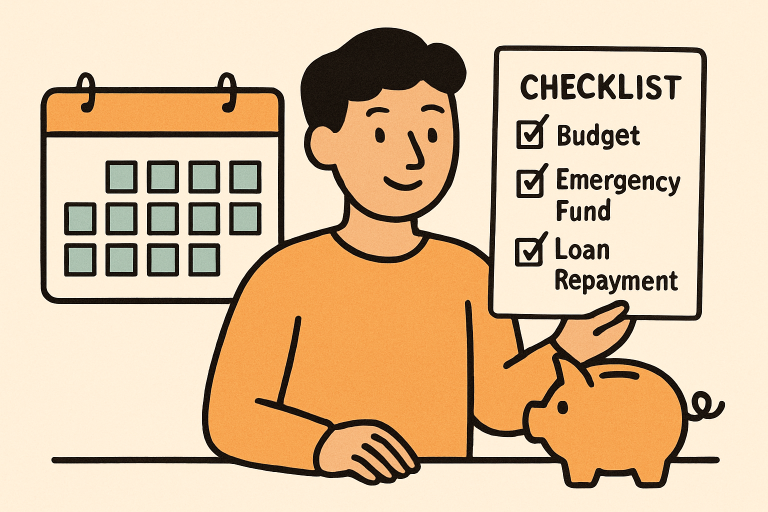
Every successful loan starts with a clear, actionable repayment plan. Once you understand your monthly income and obligations, allocate a significant portion of your budget to cover loan payments before considering discretionary spending. Automating your repayments through your bank can help ensure you never miss a due date, mitigating the risk of late fee penalties or credit score damage. If you juggle multiple debts, pay off the highest-interest obligations first to minimize overall costs. Maintaining an organized payment calendar will also keep you accountable and stress-free during the loan period.
Building an Emergency Fund
An emergency fund is a cornerstone of financial security and reduces reliance on short-term loans in the future. Financial experts typically recommend setting aside three to six months’ worth of essential living expenses, covering necessities such as rent, utilities, food, and transportation. Start small, aiming to save a set amount each month, and gradually build your reserves. Even a modest emergency fund can prevent the need for hastily borrowed, high-interest solutions when life's unplanned events occur. Review and adjust your financial plan regularly, so commit to saving regularly, no matter the amount.
Exploring Alternative Financing Options
Before committing to a short-term loan, look into other available resources. Credit unions often offer lower interest rates and more flexible terms than mainstream lenders. Payment plans with service providers spread out significant expenses, avoiding the burden of external debt. Community-based support services, like nonprofit assistance groups or government aid, can sometimes provide the help you need without any repayment requirement. Exploring these alternatives not only saves money but can also improve your long-term financial health by limiting exposure to high-cost debt.
Seeking Professional Financial Advice
For those feeling overwhelmed or unsure about their financial decisions, turning to a professional financial advisor can be invaluable. Advisors can offer unbiased perspectives, help negotiate with creditors, structure a workable budget, and provide tailored recommendations based on your specific situation. Having guidance from a qualified expert ensures you have a partner in your financial journey, one equipped to navigate complex issues and foster sustainable habits for the future.
Monitoring and Adjusting Your Financial Plan
Financial goals and circumstances change with time, making it essential to regularly review and adjust your financial plan. Track your spending, revisit your budget, and monitor the progress on your emergency fund. Stay informed as interest rates, credit options, and market conditions evolve. Consistently seeking to expand your financial literacy will position you to make better choices, no matter what the future holds.
Integrating these smart financial practices enables you to not only manage short-term loans responsibly but also to cultivate habits that serve you well over the long term, setting you on a path towards greater financial independence and peace of mind.



 Get Our RSS
  Follow us on Twitter
  Like us on Facebook
  Circle us on Google+
  EasyFinance Blog
 Twitter
 Facebook
 Google+
 LinkedIn
 Email Subscriptions
Leave a Reply: